










Powergotha : Ultimate Dairy Farm Management & Pashupalan App
Platform : Web & Mobile
Industry : Animal Husbandry Dairy Farm
UI & UX | Frontend | Backend
Enterprise Mobile App Development — India
Enterprises and large organizations don’t need generic mobile apps. Instead, they require apps that easily integrate with ERP, align with SSO policies, and smoothly work in warehouses where the internet is poor. At Ahex Technologies, we develop exactly these types of secure and scalable enterprise apps. Our enterprise mobility solutions help streamline operations and integrate with existing systems. They also meet the compliance bar your organization requires.
More Than 150+ Brands
For the founders of all types, a pre-revenue, post-seed, and Series A, we offer the following end-to-end MVP development services for startups. These help them to plan, build, and launch their products in the market.
Before starting the development, we help you decide on the core thing that will save or cost you six months. This is “What should your MVP actually include?”.
For this, we run a structured 2-week discovery session. Our experts define your core user flows, identify the one assumption your business depends on, and scope the MVP tightly enough to be buildable in 10 to 14 weeks.
✓ Core assumption identification and validation framework
✓ User persona mapping and primary flow definition
✓ MVP scope document. What’s in and what’s explicitly out
✓ Technical feasibility and stack recommendation
We help you create a Figma prototype. You can show this to your investors, early users, and your own team.
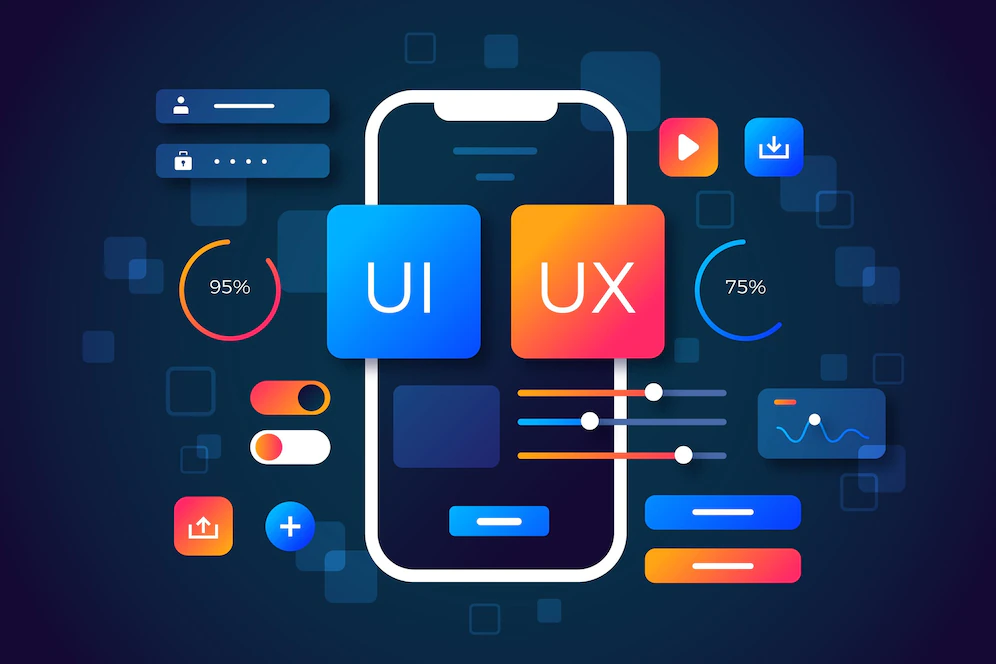
User experience for startup apps is about conversion and activation. The first 3 minutes a user spends with your app determine whether they come back. So, our UI/UX teams design interfaces keeping this in mind.
✓ End-to-end Figma prototype for investor demos
✓ Onboarding optimised for activation, not just sign-up
✓ Design a system that scales with your product
✓ User testing with the target audience
The core MVP app development service is building a fully functional, App Store-ready app.
We use Flutter for cross-platform development. This way, you build an app for both iOS and Android users, with a single codebase.
We keep the backend lightweight for MVP development for startups, but its architecture is designed to scale later.
✓ Flutter — iOS + Android from one codebase
✓ Scalable backend (Node.js / Python FastAPI)
✓ Fortnightly builds delivered directly to the founder
✓ App Store and Google Play submission included
We treat AI features in a startup app as the baseline, and not a differentiator.
Hence, we develop MVP and startup applications with core AI features, such as smart recommendations, AI-powered matching, predictive insights, and more.
Our team integrates OpenAI, Gemini, and custom models as first-class features in the core user flow.
✓ OpenAI / Gemini API in core user flows
✓ RAG architecture for domain-specific knowledge
✓ AI-powered personalisation and recommendations
✓ Cost-optimised AI usage from day one
Most startup apps are rebuilt 18 months after the MVP, because the MVP was built for speed and fell apart at scale.
At Ahex Technologies, the MVP development agency, our experts develop MVPs with scalable architectures. The modular backend, cloud-native infrastructure, and a clean codebase.
When your user numbers 3x in 6 months, you can simply add features rather than re-architecting the complete app. Also, we stay on post-launch in monthly sprint retainers for continuous iteration.
✓ Scale-ready architecture from sprint one
✓ Monthly sprint retainer post-launch
✓ Performance optimisation as user numbers grow
✓ Analytics instrumentation and A/B testing setup
Many founders come to us not to build from scratch. They request to fix what a cheaper agency broke. We see these things regularly: a brittle backend that crashes at 1,000 users, a codebase nobody except the original developer can maintain, or a rushed MVP that never got past demo stage.
As a leading MVP app development company, we audit, assess, and rebuild the parts that need fixing. We do not throw away what is working and what your users are already using.
✓ Full codebase audit and technical debt assessment
✓ Selective rebuild — We fix what’s broken, keep what works
✓ Performance optimization and crash resolution
✓ Documentation and team handover for in-house scaling
These aren't optional extras, but these are the baseline requirements in enterprise app development. Our developers build them in from the architectural phase, not add them later post-development.
The SAML 2.0 or OAuth 2.0/OIDC enables employees to log in securely. IT teams can manage access from a central place. If one account is disabled, access is instantly removed across all enterprise apps. No need for an extra password.
A warehouse manager sees stock. A finance director sees P&L. A field engineer sees their job sheet. No one see nothing else. RBAC is enforced at both the API layer and the UI, so role restrictions can't be worked around.
The app works smoothly with device management tools. IT teams can push apps to managed devices. They enforce PIN and security policies and remotely wipe lost devices. Also, roll out updates without relying on app store downloads.
Every action is fully logged. Get complete visibility to audit and stronger governance for data. It is very important for industries and environments with regulations and compliance.
Enterprise app development is slower than developing other types of apps. It is because of the various integrations, high-level testing, and compliance alignment. Here is the strategic process that our team follows for mobile app development for enterprises.
1
For enterprise mobile development, we start with auditing your existing systems. Our team figures out what it connects to, what security policies it must comply with, and what the real business problem is. This 2-week discovery with IT, business, and operations stakeholders produces an integration map. We create a security requirements list and a realistic scope document.
Week 1–2
2
Designers prepare the full Figma prototype of every screen and state. You see the complete app before development starts. Changes in Figma cost hours, but the same change in code costs weeks. We iterate until you're confident, and then lock design and start building.
Week 2–4
3
Two-week development sprints. Every sprint ends with a working build on your phone, not a slide deck, but a real app you can tap through, share with advisors, and give to beta users. The build gets closer to launch-ready with each sprint cycle.
Week 4–11
4
We test your MVP on real iOS and Android devices. Our testers identify and fix bugs and check the app’s performance. Our MVP software development services also include preparing for submission through screenshots, store listing, privacy policy, and App Store review compliance. We've submitted dozens of apps and know what gets apps rejected.
Week 11–13
5
Before your MVP goes live, we set up an analytics tool. It tracks the key actions that matter most. Once users start using the product, you can see whether your main idea is working or not. Later, you can make feature additions based on data, and not guesswork.
Week 14+
The challenging parts of enterprise mobile app development are the integration layer, the security architecture, and the process of getting all users and stakeholders to agree on what the app actually needs to do. Here are the five common challenges in mobile app development for enterprise and how we solve them.
How We Handle It
Most enterprise apps development done by us connects to at least one system that doesn’t have a modern REST API. The approach depends on the system: for older SAP systems, we use BAPI/RFC calls wrapped in a middleware layer. For mainframe systems, we use MuleSoft or WSO2 as an abstraction bridge. For systems requiring direct DB access, we build a read API layer that respects the application logic without bypassing it. As an enterprise mobile application development company, we never recommend direct DB connections from mobile apps. Because it creates a security exposure and breaks whenever the schema changes. The middleware approach takes longer upfront and survives system upgrades for years.
How We Handle It
The most common reason enterprise apps get delayed at deployment isn’t a development issue, but it’s an IT security review that surfaces requirements the project team didn’t know about six months earlier. We pull IT into the discovery phase, not the sign-off phase. Our team records security requirements alongside integration requirements in the architecture document. The pen test happens before UAT, not after. This moves security from a deployment gate to a design input, which is where it belongs.
How We Handle It
Offline-first sounds simple until you think through what happens when two field engineers update the same job card while offline and both sync simultaneously. The sync logic is where offline apps get complex. We are an enterprise app development company that spends time in discovery mapping every data entity that needs offline availability and defining conflict resolution rules with the business owners, not just the IT team. This adds scope upfront and saves 6 to 8 weeks of rework that would otherwise happen mid-build. SQLite with WatermelonDB or Isar handles the technical layer.
How We Handle It
Forrester found that over 50% of employees are unhappy at work because of inefficient internal software, yet the apps meant to fix this often fail in adoption. The reason is almost always UX. The app was designed by IT or a developer who doesn’t do the job the app is supposed to support. So, we include actual end users in the UX design process and make them participate in user research and prototype reviews. The enterprise mobile apps that get used are the ones designed with real users, not for them.
How We Handle It
Enterprise apps that start in one business unit almost always expand. An enterprise app built for the Mumbai warehouse must support other places like Pune, Chennai, and Singapore. However, each has slightly different process rules and approval hierarchies. So, to tackle this, we design the business logic layer that is configuration-driven. Our team sets the workflows, approval chains, and field visibility rules in an admin panel. Adding a new business unit should be a configuration exercise, not a development sprint. This costs more at the start but pays back significantly at the point of expansion.
It is projected that India's enterprise software market would be worth $7.22 billion by 2029. It is growing at 17.3% CAGR. Enterprises that use purpose-built mobile apps witness 2.5x faster growth in their revenues. It is significantly more than those who are still using outdated workflows.
The real value is not just in the numbers, but in the outcomes. A field service app connected to your ERP can replace paper job sheets. It can reduce your billing cycles from 30 days to just 5. A real-time mobile dashboard can help you make decisions instantly. You don’t have to wait for weekly reports. Similarly, a self-service HR app can reduce your HR teams’ workload.
These aren't technology improvements. They are business process transformations that happen to be delivered through an enterprise mobile app. The question isn't whether enterprise mobility solutions deliver ROI, because they consistently do. The question is whether the app is built well enough to actually get used, and whether the integration is deep enough to eliminate the manual steps it was meant to replace.
Live dashboards replace weekly reports. Approvals happen from phones instead of waiting for the manager at their desk. Data that took 3 days to compile takes 3 seconds to access.
Enterprise app development helps reduce manual work for both employees and back-office teams. The efficiency improves, repetitive admin tasks are cut down, and teams are free to focus on higher-value work.
Field teams spend time on their actual work, not on admin. Technicians using digital job sheet apps typically complete 20–30% more jobs per day than those on paper processes.
Mobile app development for enterprises helps management spot issues early. They can take action before they turn into costly problems. Moreover, the faster access to live business data helps in making quicker decisions and having better operational control.
The enterprise apps replace paper processes and scattered WhatsApp communication with an RBAC-controlled platform. This removes shadow IT risks and improves compliance. Every action is tracked with a clear audit trail. It gives compliance and leadership teams the visibility they need.
A well-architected enterprise app development grows with the organization, new business units, geographies, and workflows, through configuration, not redevelopment sprints.
We are the leading enterprise mobile app development company that brings IT and compliance into the discovery phase, not the deployment gate. The following are the standards we align development with.
It enables secure Single Sign-On (SSO). With this, users can log in once with company credentials and avoid risks related to password leaks.
This provides secure token-based authentication and authorization. Safe access across enterprise mobile, web, and integrations.
This in enterprise mobile apps restricts what each user can view or do based on their role.
MFA adds an extra layer of login security in enterprise app development. OTPs, authenticator apps, or biometrics.
This protects the personal data of users in the EU. A crucial compliance for enterprise apps that handle customer data.
It is a privacy extension of ISO 27001. It is focused on managing personally identifiable information (PII). Helps enterprises build privacy controls.
It ensures data is encrypted between enterprise mobile apps, APIs, and backend systems.
These define where enterprise data is stored and how long it is kept.
Allows IT teams to manage enterprise apps on employee devices, enforce PIN policies, remotely wipe lost phones, and push secure updates.
A standard that defines best practices to code securely, protect APIs, secure storage, and testing.
It prevents man-in-the-middle attacks. This is especially important for sensitive API communication.
It detects threats in enterprise apps like rooted devices, tampering, reverse engineering, or debugging attempts.
This validates that security controls are working effectively. It is often required for enterprise SaaS and cloud-backed apps.
The global standard for information security management systems (ISMS).
It is required for healthcare enterprise apps in the US. It ensures that patient data is handled securely and users have control over it.
An essential for enterprise mobility solutions that process card payments or financial transactions.
Large consultancies charge enterprise rates and subcontract the build. Generic app studios have no enterprise integration experience. Ahex Technologies offers a middle path. We give your genuine expertise in enterprise app development at India-competitive rates. Here are more reasons to choose us.
Our background is enterprise software. The Odoo ERP implementation, Sage Intacct integrations, SAP connectivity, and custom middleware for manufacturing and logistics clients. Our enterprise mobile developers understand data models and business logic in a way that a team with only consumer app experience doesn’t. This matters when the hardest part of your project is the integration, not the UI.
As the top enterprise app development company, we have built enterprise apps for manufacturing firms in Pune, logistics operators in Dubai, healthcare organisations in the US, and government-adjacent organizations in Saudi Arabia with NCA data sovereignty requirements. Each market has its own regulatory and system preferences, and we understand each of them without needing to be briefed from scratch.
We have sat through too many projects where IT security requirements appeared at the deployment gate after months of development. Our team prevents this by bringing IT stakeholders into the discovery process and writing security requirements into the architecture document. This sounds procedural, but it changes the entire project outcome.
Every enterprise app we ship goes through OWASP Mobile Security Top 10 penetration testing before production. Findings are documented, remediated, and verified. You have a security test report to present to your IT and compliance teams.
Large consultancies put a senior team on the pitch and hand the project to junior engineers after contract signing. At Ahex Technologies, the engineers who assess your project are the same who build it. The architect who designs your integration layer is the same person answering questions in sprint reviews. You never have to explain context to a new face three months in.
Every two weeks, you see a working build connected to a sandbox of your enterprise systems, not a slide deck summarizing progress. Issues get caught at week four, not week sixteen. By the time most large-agency projects have finished their requirements document, we have a working integration prototype.
The app developers building your SAP integration have the same depth of knowledge as the consultant at a US firm charging $200/hour. Our Hyderabad base means our rates are 40 to 60% lower for equivalent expertise. This is a geography advantage, not a quality compromise. It is the same reason organizations like Piramal, Samsung, and OSI Digital engage us for complex integration work.
Our enterprise app development doesn’t stop evolving after launch. The compliance requirements change, business processes evolve, and new integrations get requested. Most of our enterprise clients stay on quarterly update sprints for years after initial delivery. We invest in understanding your business because we’re planning to work with you well past the go-live date.
Technology choices in enterprise apps development have long-term consequences. The stack you pick at the start affects the whole project. So, this is the technology stack that we leverage for enterprise app development, and the reasons why we choose them.
Every industry has its own system landscape, regulatory requirements, and user context. Explore how our enterprise app development services approach each vertical.
For real estate, we build mobile solutions that simplify property discovery, management, and real estate transactions.
Our mobile apps optimize production processes, asset tracking, and operational efficiency in manufacturing environments.
Our mobile app developers build secure fintech applications that enable seamless digital transactions and financial management.
We are the top app development company that develops mobile apps to enhance customer engagement and streamline restaurant operations.
For the media and enterprise mobile app development services, we build interactive mobile platforms that deliver engaging digital content experiences.
We create mobile applications for retail and e-commerce businesses to enhance shopping experiences of customers and drive sales.
We are transforming the education sector by developing interactive learning platforms that support digital education and remote training.
Our mobile apps improve visibility, tracking, and operational control across supply chain networks.
As a trusted app development firm, we develop citizen-centric mobile applications that improve accessibility and public service delivery.
Powergotha : Ultimate Dairy Farm Management & Pashupalan App
Platform : Web & Mobile
Industry : Animal Husbandry Dairy Farm
UI & UX | Frontend | Backend
Indian Railbuzz : Train Travel Discovery
Platform : Mobile
Industry : Indian Railways
UI & UX | Frontend | Backend
TourMeApp: Redefined tourism promotion
Platform : Web & Mobile
Industry : Tourism
UI & UX | Frontend | Backend
Whether you are in manufacturing, logistics, or any other sector, we can build an enterprise app tailored to streamline your processes and reduce the workload of your employees.
👉 Get in touch with us today to start your journey!
Enterprise mobile app development in India can range from ₹25–50 lakhs ($30K–$60K). This price is for a mid-complexity app. The large-scale enterprise platforms can be around ₹80 lakhs–₹2 crore ($95K–$240K).
A mid-complex enterprise mobile app can be developed in 20 to 28 weeks. Whereas, a large-scale enterprise app development can take 28 to 52 weeks or even more, as it is more complex.
Consumer apps serve millions of users. The core goal of such apps is engagement. But the enterprise apps serve a defined set of employees or B2B partners. The goal of such apps is to help in task completion with speed and accuracy.
Yes. We use each platform’s official API layer: SAP OData APIs and BAPI/RFC for older SAP systems, Salesforce REST API and APEX, Oracle REST APIs, and Microsoft Dynamics via Dataverse. For legacy systems without REST APIs, we build middleware layers.
Yes. We build enterprise apps for field force, warehouse, and manufacturing use cases, and in such applications, the offline support is non-negotiable.
Being the best enterprise app development company in India, yes, we build enterprise apps compatible with major MDM and UEM platforms.
DEVELOPERS
YEARS IN OPERATION
GLOBAL CLIENTS
Start your digital transformation journey now and revolutionize your business