
Best Tech Stack for Android App Development
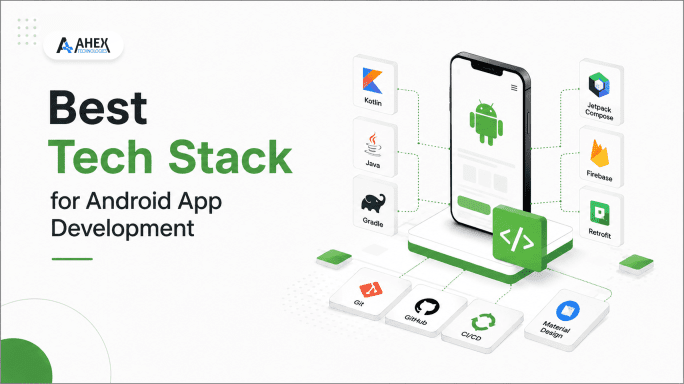
Building an Android app in 2026 is not the same as building one five years ago. New tools have come in. Old tools have improved. And the right android app tech stack can make the difference between an app that feels smooth and an app that feels slow and outdated.
In this blog, we will talk about the best tools, languages, and structures to use for Android app development this year. We will keep things simple, so even if you are not a developer, you will understand what matters and why.
What Is an Android App Tech Stack?
A tech stack is simply the group of tools used to build an app. Think of it like the ingredients used to cook a meal. You need the right ingredients, in the right amounts, cooked the right way, to get a good result.
For Android apps, this usually includes:
- A programming language.
- A development framework.
- A design toolkit.
- An architecture pattern.
- Testing and security tools.
Each of these plays a role. If even one part is weak, the whole app can suffer. That is why choosing the right combination at the start of a project matters so much.
Why the Right Tech Stack Matters in 2026?
Apps this year need to do more than just work users expect them to be fast, safe, and smart. They expect quick loading, protected data, and sometimes even AI-driven features that make the experience feel personal.
A weak stack can cause problems like:
- Slow performance
- App crashes
- Security gaps
- Difficulty adding new features later
- Higher costs when fixing issues down the line
A strong stack solves these problems before they even start. It also makes it easier to grow the app in the future without rebuilding it from scratch. Think of it this way: fixing a small crack in a wall is easy. But fixing the same crack after the whole building has been constructed on top of it is expensive and painful. The same is true for apps.
There are millions of apps available today, and users do not have patience for anything that feels outdated. If an app takes too long to open, or looks clunky next to competitors, people simply move on. The tools behind an app directly shape how smooth and reliable it feels to the people using it every day.
The people building the app matter just as much as the tools they use. Businesses putting a team together this year should hire Android developers with AI skills alongside strong Kotlin and architecture knowledge, since AI now plays a bigger role in day-to-day development work.
Recommended 2026 Android Tech Stack
| Layer | Primary Technology / Tool | Key Benefit in 2026 |
| Language | Kotlin | Standardized language, concise code, built-in safety |
| UI Framework | Jetpack Compose | Declarative UI, faster builds, native performance |
| Cross-Platform | Kotlin Multiplatform (KMP) | Shared business logic across Android and iOS |
| Architecture | MVVM / Clean Architecture | Decoupled layers, high testability, easy maintenance |
| AI Integration | Google ML Kit / Firebase AI | Edge-device intelligence, low latency |
| Security | EncryptedSharedPreferences / Biometrics | End-to-end user data protection |
| Testing | JUnit / Espresso / Automated Pipelines | Continuous testing and zero-crash releases |
Kotlin: The Core Language for Android in 2026
If you ask any Android expert what language to use in 2026, the answer is almost always Kotlin. It has become the main language for Android development, and Google recommends it as the first choice for new projects.
Here is why this language has become so popular:
1. It is easy to read. The code looks clean and simple. Even new developers can understand it without much trouble.
2. It reduces errors. Many common mistakes get caught before the app is even built. This means fewer crashes and fewer bugs reaching users.
3. It works well with Google’s tools. Since Google supports it directly, it fits smoothly with almost every modern Android tool available today.
4. It saves development time. Less code is needed to do the same job compared to older languages like Java. Less code means faster builds and quicker updates.
Businesses that still rely on older languages often find it harder to hire talent, since most new developers are trained on this one first. Choosing it keeps your options open, since most modern frameworks are also built around it.
How to Choose the Right Android Development Framework?
A framework is like a skeleton for your app. It gives structure and support, so developers do not have to build everything from zero. In 2026, the top android development framework choices are:
1. Jetpack Compose
This is the modern way to build Android app screens. Instead of writing long, complicated code for each screen, Jetpack Compose lets developers describe what the screen should look like, and it handles the rest.
Benefits include:
- Faster development
- Cleaner code
- Easier design updates later
- Smooth integration with Kotlin
Because of these benefits, it has become the top choice for building app interfaces this year. Most new projects are built using it instead of the older, more manual system.
2. Kotlin Multiplatform
Some businesses want their app to work on both Android and iOS without building two separate versions. This tool allows developers to share one set of code across both platforms, while each app still feels natural on its own device. This saves time and money, especially for teams that want to launch on multiple platforms at once.
3. Android Jetpack Libraries
These are a set of tools from Google that help with common tasks, like managing data, handling navigation, and running tests. Using them means developers do not have to build these features manually, which reduces errors and speeds up the whole process.
When choosing between these options, it helps to think about your specific project. A simple app aimed only at Android users may not need a cross-platform tool at all. But a business planning to launch on both Android and iOS at the same time can save significant development budget by picking a shared-code approach from the start, rather than switching later after two separate teams have already built two separate apps.
Android Architecture: The Blueprint Behind a Good App
Choosing a language and framework is only part of the picture. The app also needs a good structural plan. Architecture decides how different parts of the app talk to each other.
Think of it like the layout of a house. You can have great bricks and paint, but if the layout is confusing, the house will still feel wrong to live in.
In 2026, the most common android architecture patterns are:
MVVM (Model-View-ViewModel)
This pattern separates the app into three parts:
- Model – handles the data
- View – shows the screen to the user
- ViewModel – connects the data to the screen
This approach keeps the code organized and makes it easier to fix bugs or add new features later.
Clean Architecture
This takes organization a step further. It separates the app into layers, so business logic, data handling, and the user interface do not mix together. This makes the app easier to test and safer to update over time.
A well-planned structure also plays a big role in keeping user data safe. Poorly organized apps often have hidden security gaps that are hard to notice until it is too late, which is why teams should follow secure Android app development practices right from the architecture stage, not after the app is already built.
Adding AI to Your Android App Tech Stack
In 2026, AI is no longer just a bonus feature. Many users expect some level of smart behavior in the apps they use daily.
Some common ways AI shows up in Android apps today include:
- Smart search that understands what users are really looking for.
- Personalized recommendations based on behavior.
- Voice assistants and chat-based support.
- Automatic image and text recognition.
- Predictive typing and suggestions.
Adding these features does not mean starting from scratch. Many tools, like Google’s ML Kit and Firebase AI tools, are already built to work with Kotlin and Jetpack Compose. This makes it much easier to plug smart features into an existing structure.
Teams planning to make their app smarter this year can explore the top AI features to add to Andro
id apps in 2026, and see how each one fits into a modern android app tech stack without a complete rebuild.
Security: A Non-Negotiable Part of the Stack
No matter how modern your stack is, it means little if user data is not safe. People trust apps with personal details like their name, location, and even payment information. Losing that trust can hurt a business far more than a slow-loading screen ever could.
In 2026, a strong setup should include:
- Secure data storage methods.
- Encrypted communication between the app and the server.
- Regular security testing.
- Safe login and authentication systems.
Security should not be an afterthought. It should be planned from the very first step of development, right alongside the framework and architecture choices, following the same secure Android app development approach that protects user data at every layer of the app.
Testing Tools: Making Sure the App Actually Works
A good setup is not complete without proper testing tools. Testing helps catch problems before users ever see them. Most teams in 2026 rely on a mix of the following:
- Unit testing tools, which check small pieces of code to make sure they work correctly
- UI testing tools, which check that screens look and behave as expected
- Automated testing pipelines, which run checks every time new code is added, so bugs are caught early
Skipping proper testing might save time at first, but it usually leads to bigger problems later, like crashes after launch or bugs that frustrate users. Room for testing should always be built into the plan from the start.
Common Mistakes to Avoid When Choosing a Tech Stack
Even with so many good tools available in 2026, businesses still trip up when putting their setup together. Some common mistakes include:
1. Choosing tools based on trends alone. Just because something is popular does not mean it fits your specific app. It helps to choose based on what the project actually needs.
2. Ignoring future growth. Some teams pick a simple setup that works fine at first but becomes difficult to expand later. It helps to think ahead about where the app is headed in the next few years.
3. Skipping security planning. As mentioned earlier, this should never be added at the last minute. Planning it in from day one avoids much bigger headaches down the road.
4. Not hiring developers with updated skills. Even a perfect setup will not help if the team is not comfortable using modern tools. This is another reason why hiring the right people, as covered in our blog on [Hire Android Developers with AI Skills: What to Look For in 2026], matters just as much as picking the right tools.
Putting It All Together: A Sample 2026 Tech Stack
Here is what a strong, modern setup could look like this year:
- Language: Kotlin
- Framework: Jetpack Compose
- Architecture: MVVM or Clean Architecture
- Cross-platform option: Kotlin Multiplatform (if needed)
- AI tools: ML Kit or Firebase AI features
- Security: Encrypted storage, secure authentication, regular testing
This combination gives you an app that is fast, easy to maintain, smart, and safe. It is also flexible enough to grow as your business and user base grow.
It is worth noting that no single combination fits every project perfectly. A small business app with a few thousand users has different needs than a large-scale platform expecting millions of downloads. The core pieces above stay the same, but the depth of each one, how much testing, how advanced the AI features, how strict the security measures, should scale up or down based on the size and goals of the specific app being built.
Why the Right Team Matters as Much as the Right Tools
Even the best set of tools will not perform well without the right people building with them. Developers today need to understand not just coding, but also how to use AI tools properly, how to write secure code, and how to keep up with fast-changing technology.
This is why hiring the right Android developers is just as important as choosing the right tools. Teams building or growing this year should hire Android developers with AI skills so the people writing the code are as current as the tech stack itself.
4 Errors need to Avoid When we are Selecting an App Tech Stack
Selecting Tools Based on Trends: Adopting unproven frameworks leads to abandoned code bases and lack of community support.
Ignoring Long-Term Scalability: Choosing overly simple, monolithic code structures makes scaling past 10,000 active users difficult.
Delaying Security Implementation: retrofitting security fixes into a completed application costs up to 10x more than secure-by-design architecture.
Skills Mismatch: Selecting cutting-edge tools without a development team skilled in modern Kotlin paradigms and AI tooling.
Don’t choose a technology just because of it’s a trending one, choose which are reliable and supported well and suitable for projects which will help us in long-term needs
Final Thoughts
Choosing the best android app tech stack in 2026 is not about picking the most popular tools. It is about picking pieces that work well together, keep your app safe, and make it easy to add new features later.
Kotlin remains the top language choice. Jetpack Compose leads the way as the top framework. A clean architecture, like MVVM, keeps everything organized. And AI and security are no longer optional; they are core parts of a modern app.
If you plan carefully and choose the right combination of tools, your Android app will be ready not just for this year, but for whatever comes next.
Have a product idea or an existing build that needs to scale? Partner with Ahex and close the gaps before your customers find them.
Book a free consultationFrequently Asked Questions
Is Kotlin still the best choice for Android apps in 2026?
Yes. It remains Google’s recommended language for Android projects, and most modern tools and libraries are built with it in mind. It is unlikely to be replaced anytime soon.
Do I need Jetpack Compose if my app already uses the older system?
Not immediately. Older apps can continue running fine, but new features and updates are usually easier to add through the newer approach. Many teams migrate gradually rather than all at once.
Is Kotlin Multiplatform only useful for large businesses?
No. Even smaller teams can benefit if they plan to launch on more than one platform. The main advantage is saved development time, which matters at any budget size.
How early should security be planned into the project?
From the very first planning meeting, ideally before any code is written. Adding security measures after the app is mostly built is far more difficult and expensive than designing with safety in mind from day one.


